
How to Start a Restobar Business
 0
0
 0
0
Starting a restobar business can be an exciting opportunity for anyone who wants to combine food, drinks, and nightlife into one profitable concept. A restobar is more than just a restaurant and more than just a bar—it’s a hybrid business that offers meals, cocktails, and a social atmosphere that encourages people to stay longer. When done right, restobars can generate strong income because they earn from both dining and alcohol sales, which often have higher profit margins. However, this type of business also comes with serious challenges. A restobar requires careful planning, strict licensing, strong staff management, and a clear brand identity. Many new owners fail not because the idea is bad, but because they underestimate costs, competition, and operational complexity. This guide explains how to start a restobar business step-by-step, including planning, legal requirements, menu development, branding, marketing, and the daily systems needed to keep the business running smoothly.
Understand What a Restobar Really Is (And Why It Works)
Before starting a restobar, it’s important to understand why the model works. A restobar is designed to attract customers for both food and drinks, which allows the business to make money at multiple times of day. Some guests may come for lunch, others for dinner, and many come later for cocktails, beer, and nightlife vibes.
The biggest advantage is customer stay time. In a typical restaurant, people eat and leave. In a restobar, customers often stay longer because the environment encourages socializing. This increases average spending per table, especially when cocktails, wine, and appetizers are involved. Alcohol sales are one of the biggest profit drivers in this industry.
Restobars also work well because they fit modern lifestyle trends. Many people want a casual but stylish place to eat, drink, and hang out without needing to switch locations. A well-designed restobar becomes a “go-to” social spot.
In many business and finance restaurant startup planning guides, restobars are considered a strong concept because they blend hospitality, entertainment, and food service into one business. But success depends on execution, not just the idea.
Create a Clear Concept: Theme, Target Market, and Unique Identity
A restobar cannot succeed by being generic. The market is often competitive, and customers need a reason to choose one place over another. That’s why defining a clear concept is one of the most important early steps.
The concept includes the restobar’s theme, vibe, target audience, and signature selling point. Some restobars focus on craft cocktails and upscale small plates. Others focus on affordable comfort food with live music. Some target young professionals, while others aim for families during the day and nightlife crowds at night.
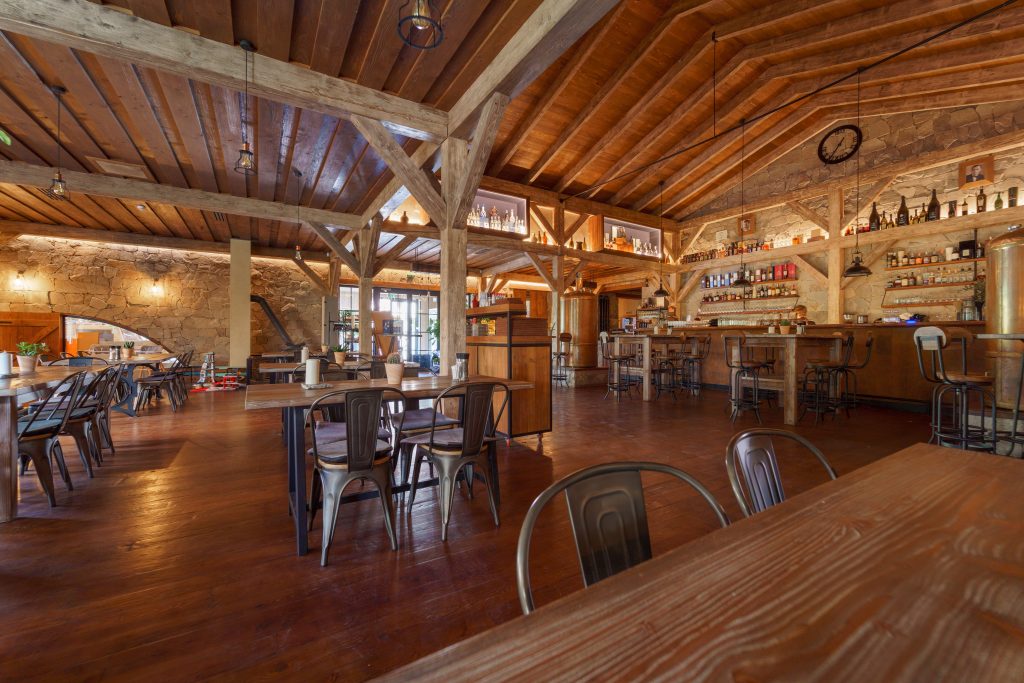
The best restobar concepts are built around a clear identity. This might be a signature drink menu, a special cuisine style, a strong music vibe, or an atmosphere designed for social media. The brand should feel consistent in décor, menu design, staff uniforms, and marketing tone.
Many proven entrepreneurship growth tips emphasize that a strong concept makes marketing easier. If the restobar is unique, people talk about it. If it feels like “just another bar,” it becomes harder to build loyal customers.
Budgeting and Startup Costs: What a Restobar Business Really Requires
One of the biggest mistakes new restobar owners make is underestimating costs. Restobars are expensive businesses to start because they require kitchen equipment, bar equipment, licenses, staff, interior design, and ongoing inventory.
Startup costs typically include leasing or purchasing a location, renovation, furniture, lighting, sound systems, kitchen appliances, bar counters, glassware, POS systems, signage, and permits. Inventory costs are also significant because food and alcohol must be stocked before opening.
Owners also need working capital. A restobar may take months to become profitable, especially while building customer traffic. Staff wages, rent, utilities, marketing, and supply restocking continue even if sales are slow at first.
In business and finance restaurant startup planning, budgeting is considered one of the most critical steps. A restobar can have great potential, but poor financial planning can kill the business early. Owners need realistic cost estimates, emergency funds, and a clear understanding of break-even points.
Licenses, Permits, and Legal Requirements (The Part You Can’t Skip)
A restobar business involves more legal requirements than many other small businesses. Owners typically need business registration, food handling permits, health inspections, fire safety compliance, and—most importantly—an alcohol license.
Alcohol licensing can be complicated depending on the location. Some areas have limited licenses available, high fees, and strict rules about serving hours. There may also be rules about age restrictions, security requirements, noise limits, and responsible service training.
Health and safety compliance is also non-negotiable. Restobars must meet food safety standards, kitchen sanitation requirements, and proper storage procedures. Failure to comply can result in fines, shutdowns, or damage to reputation.
Owners should also consider insurance. Restobars usually need general liability insurance, property insurance, workers’ compensation, and alcohol liability coverage.
Many proven entrepreneurship growth tips highlight that successful business owners take the legal side seriously from day one. Skipping permits or trying to “fix it later” can create major risks. In hospitality, compliance is part of survival.
Menu Planning and Bar Strategy: Where Profit Is Really Made
A restobar’s menu is one of its strongest profit tools, but only if it’s designed strategically. Many new owners try to offer too many food options. This increases inventory costs, kitchen complexity, and waste. A smarter approach is offering a focused menu with signature items that are easy to prepare consistently.
Restobar menus often perform best with shareable dishes: appetizers, small plates, finger foods, and comfort-style meals that pair well with drinks. Customers who drink often want snacks, not heavy meals. That’s why restobar food should be designed to support alcohol sales.
The bar menu is equally important. Craft cocktails, signature drinks, and themed beverage menus can create strong profit margins. Offering a mix of premium drinks and affordable options helps attract different customer types. Happy hour pricing can also increase traffic during slow hours.
In many business and finance restaurant startup planning resources, menu engineering is considered the difference between a restobar that survives and one that thrives. Food and drinks should not only taste good—they should be designed for profitability, speed, and consistency.
Hiring Staff and Managing Daily Operations Like a Real Business
Running a restobar requires a strong team. Owners often focus heavily on décor and menu design but underestimate staffing needs. A restobar needs kitchen staff, bartenders, servers, cleaners, and sometimes security depending on the crowd and hours.
Hiring is about more than skills—it’s about attitude. A restobar’s atmosphere is shaped by staff energy. Friendly servers, skilled bartenders, and organized kitchen teams create a better customer experience, which leads to repeat business. Training is also essential. Staff must understand the menu, drink recipes, service standards, and safety procedures.
Operations are where many restobars struggle. Inventory management, cash handling, waste control, scheduling, and customer service must all be managed daily. A good POS system helps track sales, best-selling items, and profit margins.
Many proven entrepreneurship growth tips emphasize that hospitality businesses succeed through systems, not just passion. A restobar owner must think like an operator, not only a dreamer. Consistent service and efficient operations are what keep customers coming back.
Conclusion
Starting a restobar business can be highly rewarding, but it requires serious planning, strong budgeting, and professional execution. A successful restobar begins with a clear concept that matches the target market and offers something unique in a competitive industry. From there, owners must prepare for significant startup costs, secure the proper licenses, and build a menu that balances great taste with profitability and speed. Staffing and daily operations also play a major role, since restobars rely on consistent service, strong teamwork, and efficient systems to keep customers satisfied. The biggest advantage of the restobar model is its ability to earn income through both food and high-margin drink sales, creating a social environment that encourages guests to stay longer and spend more. When the business is built with realistic financial planning, legal compliance, and a strong brand identity, a restobar can grow into a popular destination and a long-term profitable venture.