
Registering Your Home in Airbnb
 0
0
 0
0
Registering a home on Airbnb has become one of the most popular ways for homeowners and renters to earn extra income. Whether someone wants to host occasionally, rent out a spare room, or turn a property into a full short-term rental business, Airbnb makes it possible to reach travelers without needing traditional advertising. But while the platform is easy to use, successful hosting requires more than just uploading photos and setting a price. First-time hosts often underestimate the importance of rules, local regulations, guest expectations, and property setup. A listing can look great online, but if the home isn’t prepared properly, reviews can suffer quickly. On the other hand, when hosting is done correctly, Airbnb can become a reliable income stream and a surprisingly rewarding experience. This guide explains how to register a home on Airbnb, what to prepare before publishing a listing, and the key steps that help new hosts start confidently while avoiding common beginner mistakes.
Decide What Type of Airbnb Hosting You Want to Do
Before registering a home on Airbnb, the first step is deciding what kind of host someone wants to be. Airbnb allows different hosting styles, and each one comes with different responsibilities. Some people list an entire home, while others rent out a private room. Some hosts offer shared spaces, where guests stay in the same home as the owner.
Each hosting type affects pricing, guest expectations, and the amount of work required. Renting out an entire home can generate more income, but it also requires stronger cleaning routines and higher guest expectations. Renting a private room is usually cheaper for guests, but it requires comfort with sharing spaces and interacting more directly with visitors.
Another key decision is whether hosting will be occasional or consistent. Some people host only on weekends or during travel seasons. Others treat Airbnb like a full business. This choice influences how much time the host needs to invest in communication, cleaning, and guest management.
In many business and finance rental income planning discussions, this is the foundation step because hosting becomes much easier when the host has clarity. The most successful Airbnb listings usually come from hosts who know their goals and structure their hosting style around lifestyle and income expectations.
Check Local Laws, Permits, and Building Rules Before Listing
One of the biggest mistakes first-time hosts make is listing their home without checking local rules. Airbnb hosting is legal in many places, but some cities require permits, registration, taxes, or specific safety requirements. Other areas restrict short-term rentals entirely, especially in apartment buildings or certain neighborhoods.
If the home is part of an HOA or condominium association, rules may also apply. Some HOAs ban short-term rentals or limit the number of days a property can be rented. If someone is renting their home rather than owning it, the lease agreement may prohibit Airbnb hosting.
Ignoring regulations can lead to serious problems, including fines, forced removal of listings, or conflict with neighbors and building management. That’s why researching rules first is not optional—it’s part of responsible hosting.
Many smart money-making strategies recommend treating Airbnb as a real business, not a casual side hustle. That means understanding legal requirements before earning income. Hosts who start correctly avoid stress later and protect their property, reputation, and financial stability.
Create an Airbnb Account and Start the Listing Process
Once the host has confirmed they can legally host, the registration process on Airbnb is fairly simple. The host creates an Airbnb account, verifies identity, and begins building the listing. Airbnb will ask for basic information such as property type, number of guests allowed, number of bedrooms, bathrooms, and whether guests have access to the entire home or only part of it.
The host also selects amenities. This includes essentials like Wi-Fi, heating, air conditioning, kitchen access, parking, and laundry. Amenities are important because they influence search ranking and guest interest. A listing without key amenities can struggle to compete, even if the home looks beautiful.
Airbnb also requires the host to set house rules, such as check-in times, pet policies, smoking rules, and quiet hours. These rules help prevent misunderstandings and protect the host’s property.
In many business and finance rental income planning guides, this step is where hosts begin building their “product.” An Airbnb listing is essentially a service offering. The more clearly the host describes what guests are getting, the more likely they are to attract the right guests and avoid negative reviews.
Take Photos That Actually Sell the Space
Photos are one of the most important parts of registering a home on Airbnb. A listing can have great amenities and a strong description, but poor photos will dramatically reduce bookings. Guests scroll quickly, and most decisions are made based on visuals first.
The best Airbnb photos are bright, clean, and wide enough to show the space clearly. Natural lighting makes rooms look larger and more inviting. Photos should include every important area: bedrooms, bathrooms, kitchen, living room, entryway, and outdoor spaces if available. It also helps to photograph small details like coffee setups, clean towels, and cozy seating areas.
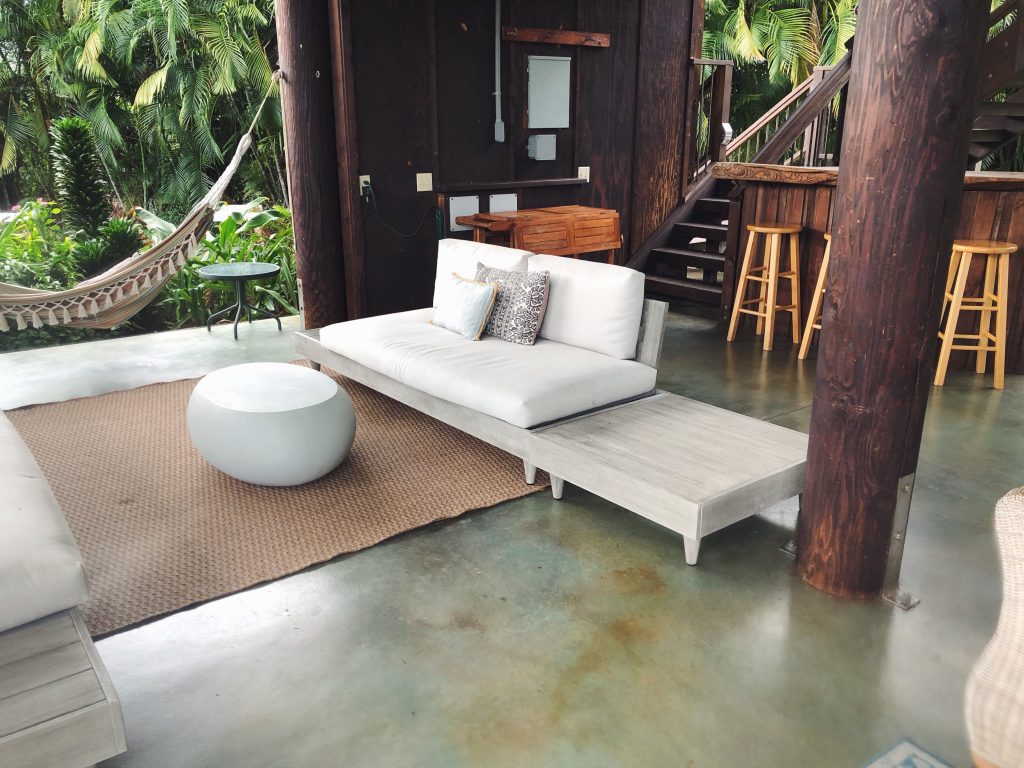
Hosts don’t always need a professional photographer, but they do need thoughtful staging. This means removing clutter, making beds neatly, adding simple decor like pillows or plants, and ensuring the home looks welcoming.
Many smart money-making strategies highlight this truth: Airbnb is a visual marketplace. Great photos often matter more than luxury furniture. A simple home with clean, well-lit photos can outperform a nicer home with dark, messy images.
Set Pricing, Availability, and Guest Policies the Smart Way
Pricing is where many new hosts struggle. If pricing is too high, the listing may get no bookings. If pricing is too low, the host may attract difficult guests and earn less than the home is worth. The best approach is starting competitively and adjusting based on demand, season, and reviews.
Airbnb offers tools like Smart Pricing, but many experienced hosts prefer manual pricing for more control. Hosts should also consider cleaning fees, extra guest fees, and discounts for longer stays. Offering a small discount for weekly or monthly stays can attract better guests and reduce turnover.
Availability settings also matter. Hosts can block off dates, set minimum stay requirements, and control how far in advance guests can book. Guest policies such as cancellation rules and check-in procedures should also be clear. The more transparent the listing, the fewer problems arise.
In many business and finance rental income planning conversations, pricing is described as the difference between “hosting for fun” and “hosting for profit.” Smart pricing creates sustainable income while still keeping guest expectations realistic.
Prepare the Home for Guests: Safety, Cleanliness, and Hosting Essentials
Registering a home on Airbnb is not only about the online listing—it’s also about preparing the physical space. Guests expect hotel-level cleanliness, even in casual rentals. This means deep cleaning, fresh linens, clean bathrooms, and a tidy kitchen. Many hosts also create a checklist to ensure consistency between stays.
Safety is also important. Smoke detectors, carbon monoxide detectors, first-aid kits, and clear emergency instructions are essential. Hosts should also secure valuables and consider using smart locks for easier check-in. A smooth check-in process often leads to better reviews.
Small touches can also improve the guest experience. Providing extra towels, basic toiletries, coffee or tea, and clear instructions for Wi-Fi and appliances makes the stay easier. A welcome note can also create a positive first impression.
Many smart money-making strategies emphasize that reviews are the real currency on Airbnb. A host can have a beautiful listing, but if the home isn’t prepared properly, reviews will suffer. Consistency, cleanliness, and clear communication are what turn Airbnb into reliable income.
Conclusion
Registering a home on Airbnb can be a powerful way to earn extra income, but it works best when hosting is approached with preparation and professionalism. The process begins with choosing the right hosting style, then confirming local laws, permits, and building rules to avoid future problems. From there, creating the listing is simple, but success depends heavily on strong photos, clear descriptions, and realistic amenities. Pricing and availability should be set thoughtfully to attract the right guests while still protecting profit. Finally, preparing the home for safety, cleanliness, and comfort is what drives positive reviews and repeat bookings. Airbnb hosting isn’t just about renting space—it’s about delivering a consistent experience. When done correctly, hosting can become a reliable income stream and even a rewarding way to meet travelers from around the world. With the right setup, first-time hosts can register confidently and build a listing that performs well long-term.